
Whether you are growing vegetables, flowers, herbs, or container plants, having the right gardening tools can make everyday garden care easier and more efficient.
For most home gardeners, you do not need a large collection of specialized equipment. A practical set of essential gardening tools can cover the basic tasks of planting, digging, pruning, watering, weeding, and supporting plants.
Here are 10 gardening tools worth considering in 2026, along with how they are used and which gardening situations they are best suited for.
1. Hand Trowel – For Planting and Transplanting
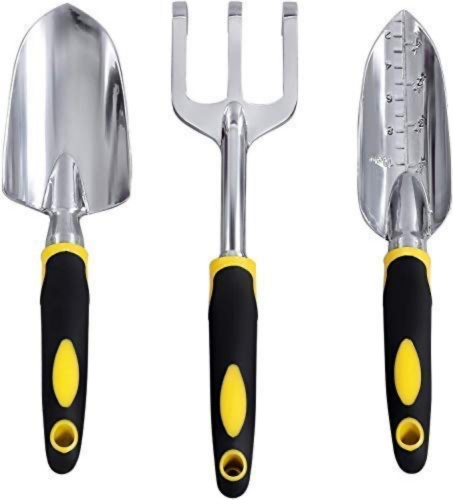
A hand trowel is one of the most useful garden hand tools for everyday planting. It is ideal for digging small planting holes, transplanting seedlings, adding soil, and working with containers.
For balcony gardens, raised beds, and small vegetable gardens, a hand trowel is often one of the first tools beginners should have.
Choose a stainless-steel model with an ergonomic handle for durability and comfort.
2. Garden Fork – For Loosening Soil
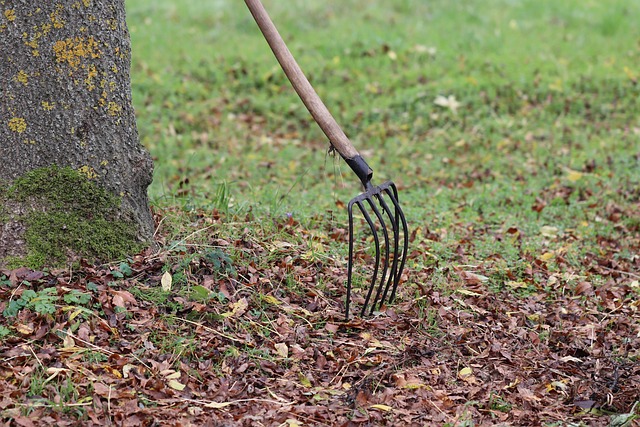
A garden fork is designed for loosening, turning, and aerating soil. Its tines can work through compacted soil and help mix compost or organic matter into planting beds.
It is particularly useful for vegetable gardens, flower beds, and areas with heavier or compacted soil.
3. Pruning Shears – For Trimming Plants
Pruning shears, also called secateurs or hand pruners, are essential for maintaining shrubs, flowers, herbs, and fruit plants.
They can be used to remove dead branches, control unwanted growth, shape plants, and harvest certain herbs. The Royal Horticultural Society also recommends secateurs as a basic pruning tool.
When choosing pruning shears, look for sharp blades, comfortable handles, and a cutting capacity suitable for the plants you maintain.

4. Garden Scissors – For Precision Cutting
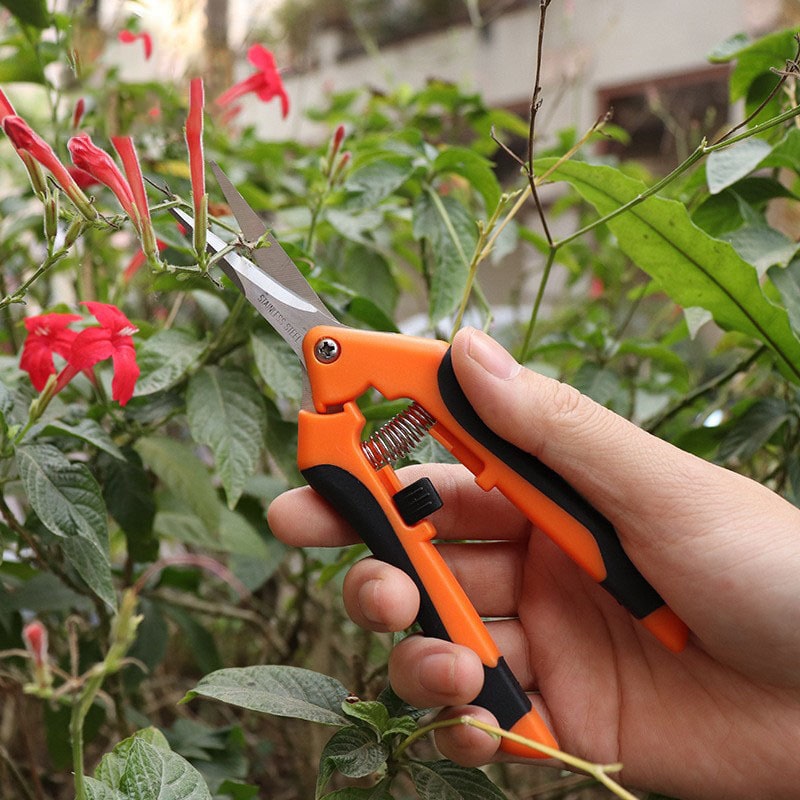
Garden scissors are useful when you need more precise control than standard pruning shears can provide.
They are suitable for trimming herbs, soft stems, flowers, seedlings, and indoor plants. Garden scissors can be particularly convenient for container gardening and propagation work.
5. Garden Spade or Shovel – For Digging and Moving Soil
A garden spade is mainly used for digging, cutting through soil, and preparing planting areas, while a shovel is better suited to moving loose materials such as soil, compost, and mulch.
For larger gardens, having the right digging tool can significantly reduce the effort required for soil preparation.

6. Garden Hoe – For Weeding and Soil Cultivation
A garden hoe is a simple but effective tool for cultivating the soil surface and controlling young weeds.cture.
It works especially well in vegetable gardens, flower beds, and larger planting areas. For small containers or densely planted beds, a hand weeder may offer better control.
7. Watering Can or Garden Hose – For Everyday Plant Care
Watering equipment is essential for maintaining healthy plants.
A watering can is convenient for seedlings, containers, balconies, and small gardens, while a garden hose is generally more practical for larger outdoor spaces. An adjustable spray nozzle can also help provide different watering patterns for different plants.

8. Gardening Gloves – For Comfort and Protection
Gardening gloves help protect your hands from soil, rough surfaces, thorns, and minor scratches while making garden work more comfortable.
For everyday planting, lightweight and breathable gloves are usually sufficient. More durable gloves may be preferable for pruning or handling thorny plants.
9. Plant Supports, Clips and Ties – For Healthy Plant Growth
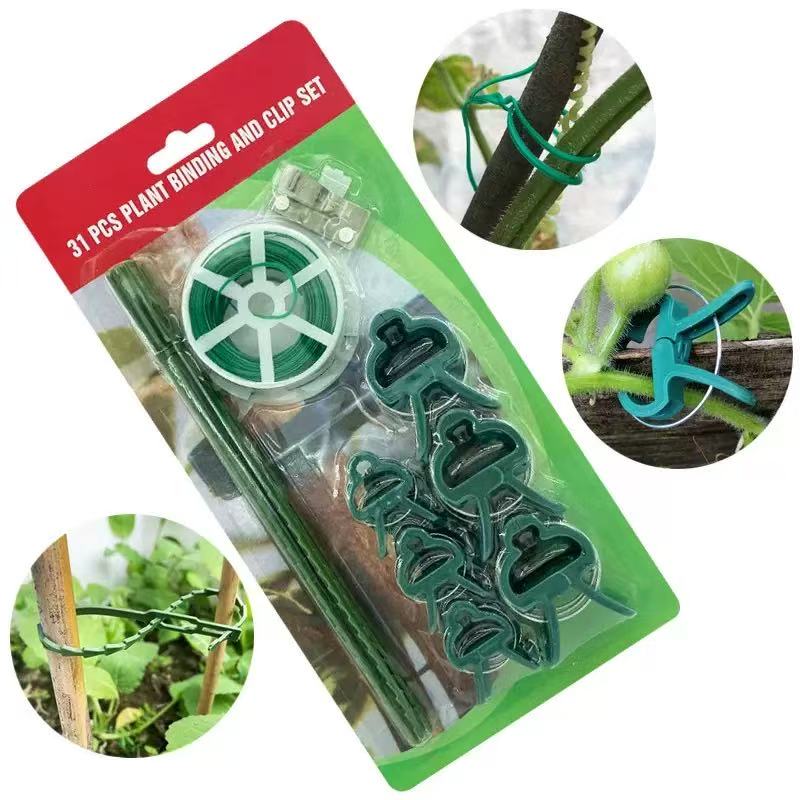
Plant support accessories are useful for tomatoes, cucumbers, climbing flowers, vines, and other plants that need help staying upright.
Plant clips, garden ties, stakes, and trellis systems can guide plants as they grow and help prevent stems from bending or falling over. Flexible clips and ties are especially useful because they can be adjusted as plants develop.
10. Hand Weeder – For Targeted Weed Removal
A hand weeder is useful when you need to remove individual weeds without disturbing nearby plants.
It is especially practical for flower beds, raised beds, containers, and small gardens where larger weeding tools may be difficult to use.

How to Maintain Your Gardening Tools
Proper maintenance can help extend the life of your gardening tools.
After use, remove soil and plant residue, dry metal parts, and store tools in a clean, dry place. Cutting tools such as pruning shears and garden scissors should also be cleaned, sharpened, and lubricated regularly when necessary.
The Royal Horticultural Society provides additional guidance on cleaning and maintaining garden tools.
Gardening Tools FAQ
What are the most essential gardening tools for beginners?
A hand trowel, pruning shears, garden fork, watering can or hose, gardening gloves, and hand weeder are a good starting point for most beginners.
What gardening tools do I need for a vegetable garden?
A vegetable garden typically benefits from a hand trowel, garden fork, hoe, pruning shears, watering equipment, gloves, and plant support accessories.
What are the best gardening tools for small gardens?
Compact and versatile tools such as a hand trowel, garden scissors, pruning shears, watering can, and hand weeder are usually the most practical choices.
Do I need expensive gardening tools?
Not necessarily. Durability, comfort, functionality, and suitability for your gardening tasks are generally more important than price.
Final Thoughts
The best gardening toolkit is not necessarily the largest one. A small collection of reliable tools can cover most everyday gardening tasks, from planting and pruning to watering, weeding, and plant support.
Whether you maintain a balcony garden, vegetable garden, raised bed, greenhouse, or larger outdoor space, choosing the right gardening tools can make plant care easier and more enjoyable.